
Chintaman Ganesh Temple Ujjain: The Ancient Swayambhu Shrine on the Shipra Bank
Image Credit: TourMyIndia – Ujjain | [https://www.tourmyindia.com/states/madhyapradesh/ujjain.html](https://www.tourmyindia.com/states/madhyapradesh/ujjain.html)
Reaching the Shrine
Nestled along the banks of the Shipra River, the Chintaman Ganesh Temple stands as a testament to Ujjain’s rich historical tapestry. To reach this ancient shrine, travelers can start from the main railway station in Ujjain, which is well-connected to major cities in India. A taxi ride or a local bus will take you approximately 15 minutes to the temple, covering a distance of about 2 kilometers. For those preferring a more leisurely approach, a cycle rental is available, allowing for a scenic ride along the riverbank. The temple is easily accessible by both road and rail, making it a convenient destination for visitors exploring Ujjain’s cultural landmarks.
What Swayambhu Actually Means
The term "swayambhu" is derived from Sanskrit, where "swa" means self and "ambhu" means lord. Thus, a swayambhu is a self-manifested deity, believed to have emerged without any human intervention. This concept is deeply rooted in Hindu philosophy, emphasizing the divine origin of the deity. At Chintaman Ganesh Temple, the idol is considered a swayambhu, highlighting its unique status as an ancient and self-originated form of Lord Ganesha. This belief adds a layer of mystique and reverence to the shrine, distinguishing it from other temples in Ujjain.
The Idol and the Maratha Addition
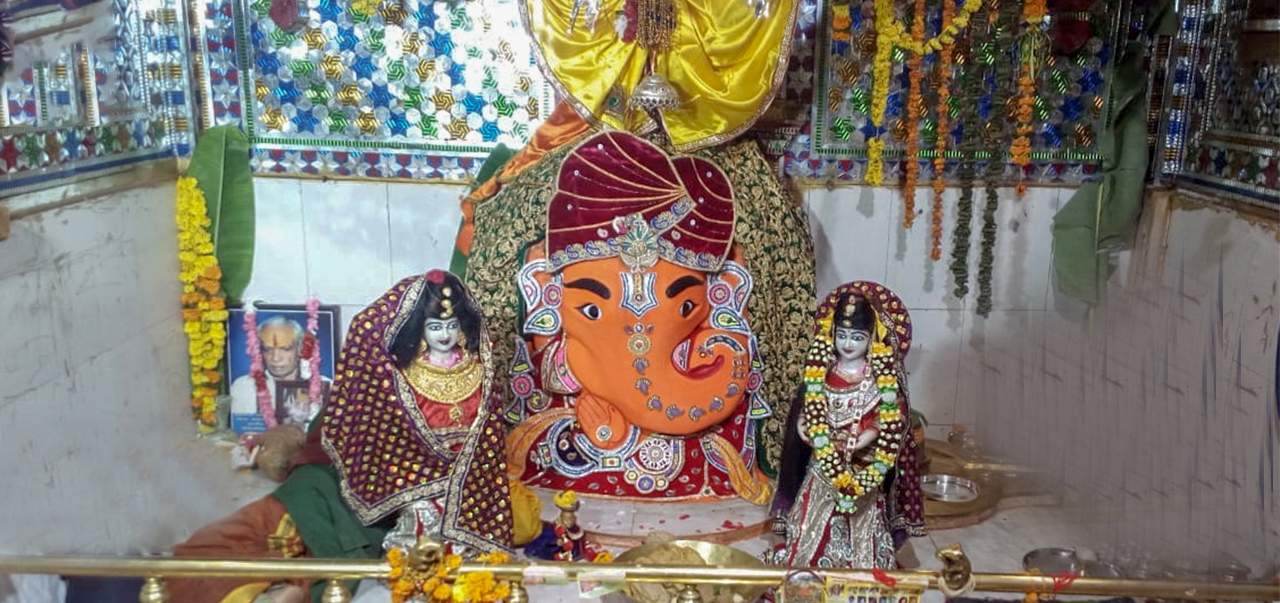
The idol of Chintaman Ganesh is notable for its unadorned appearance, which contrasts sharply with the elaborate carvings found in other temples in Ujjain. This simplicity is a key feature that sets it apart. However, there is a historical twist: the Maratha addition. During the Maratha period, a new structure was added to the temple, which is believed to have been constructed by a local Maratha ruler. This addition has sparked debates among historians and pilgrims, as it raises questions about the authenticity of the original idol. Despite this, the core essence of the shrine remains intact, reflecting its ancient roots.
Why the Riverbank Location Matters
The location of Chintaman Ganesh Temple on the Shipra River is not merely geographical; it holds deep spiritual significance. The river is considered sacred in Hindu tradition, and being on its banks is believed to bring blessings and prosperity. The proximity to the river also allows for a serene environment, where visitors can meditate and reflect on their spiritual journey. This location enhances the overall experience of visiting the temple, offering a peaceful setting that complements the solemnity of the worship.
Worship and the Day of the Week It Is Favoured
Pilgrims often visit Chintaman Ganesh Temple on Mondays, as it is believed to be the most auspicious day for worship. On this day, the temple is filled with devotees seeking the blessings of Lord Ganesha. The rituals performed on Mondays are particularly significant, with special prayers and offerings made to the deity. This practice is rooted in local traditions and is a way for visitors to connect with the spiritual energy of the shrine.
How This Shrine Differs from Bade Ganeshji
While the Bade Ganeshji Ka Mandir is a prominent temple in Ujjain, it is known for its grandeur and elaborate architecture. In contrast, Chintaman Ganesh Temple is characterized by its simplicity and ancient origins. The Bade Ganeshji temple features a larger statue and more intricate carvings, making it a popular choice for tourists seeking a more visually striking experience. However, the Chintaman temple offers a more intimate and authentic connection to the deity, allowing visitors to engage with the history and culture of the shrine in a more profound manner.
Practicalities
Visiting Chintaman Ganesh Temple is a straightforward process. The temple is open from early morning until late afternoon, with the best time to visit being during the cooler hours of the day. Visitors should dress modestly and carry a small donation if they wish to offer a puja. The temple does not charge entry fees, but donations are welcomed. It is advisable to arrive early to avoid crowds, especially on Mondays when the temple is busiest. Local vendors sell snacks and beverages, providing a convenient option for visitors to refresh themselves during their visit.
Frequently Asked Questions
Q: Is there an entry fee to visit Chintaman Ganesh Temple? A: No, the temple does not charge an entry fee, but donations are welcome.
Q: What is the best time to visit Chintaman Ganesh Temple? A: The best time to visit is early in the morning or late in the afternoon to avoid the heat of the day.
Q: Are there any special rituals or festivals at the temple? A: Yes, the temple hosts special rituals and festivals, particularly on Mondays, which is considered the most auspicious day for worship.
Q: Can I take photographs inside the temple? A: Photography is generally allowed, but it is advisable to ask for permission before taking pictures of the idol.
Q: What is the significance of the riverbank location? A: The riverbank location is considered sacred, and being on the Shipra River is believed to bring blessings and prosperity.
Q: How does Chintaman Ganesh Temple differ from other temples in Ujjain? A: Chintaman Ganesh Temple is known for its simple, unadorned idol and its ancient origins, contrasting with the grander temples in Ujjain.
Is there an entry fee to visit Chintaman Ganesh Temple?
No, the temple does not charge an entry fee, but donations are welcome.
What is the best time to visit Chintaman Ganesh Temple?
The best time to visit is early in the morning or late in the afternoon to avoid the heat of the day.
Are there any special rituals or festivals at the temple?
Yes, the temple hosts special rituals and festivals, particularly on Mondays, which is considered the most auspicious day for worship.
Can I take photographs inside the temple?
Photography is generally allowed, but it is advisable to ask for permission before taking pictures of the idol.
What is the significance of the riverbank location?
The riverbank location is considered sacred, and being on the Shipra River is believed to bring blessings and prosperity.
How does Chintaman Ganesh Temple differ from other temples in Ujjain?
Chintaman Ganesh Temple is known for its simple, unadorned idol and its ancient origins, contrasting with the grander temples in Ujjain.
Source: MP Tourism, Madhya Pradesh. Image shown is the lead image of the cited page.
