
GI-Tagged Arts and Crafts of Madhya Pradesh: A Living Record of Cultural Heritage
Crafts tied to a place
Madhya Pradesh sits at the heart of India, and its craftsmanship reflects centuries of overlapping tribal traditions, royal patronage and regional specialisation. A Geographical Indication tag is not simply an official stamp. It connects a specific craft directly to its place of origin and to the communities that have carried the knowledge forward. That is what makes these recognitions worth understanding rather than just noting.
Textiles: printed, woven and block-printed
Bagh Print is an ancient hand-block printing craft that depends on Dhar's local water properties, natural vegetable dyes and hand-carved wooden blocks. It is practised in the historic cluster of Bherugarh near Ujjain, and uses a wax-resist dyeing method. The finished fabric is recognisable by its vibrant colour palettes overlaid with fine crackled veins, formed as the wax breaks during dyeing.
Chanderi sarees are recognised globally among India's finest handloom textiles, defined by sheer texture, light weight and elegant motifs. Produced in the historic town of Chanderi, this centuries-old expertise stands distinctly apart from machine-made imitations.
Maheshwari sarees originate along the Narmada in Maheshwar and flourished under the patronage of Maharani Ahilya Bai Holkar. The fabric is celebrated for a balanced blend of silk and cotton, refined layout and border designs inspired by local architectural motifs.
Wainganga Cotton Sarees are woven by the Koshti community in Balaghat district. Traditionally crafted from fine cotton, they stand out for subtle craftsmanship, with signature Bhag stripes, checks and elaborate Nakshikinar borders.
Cast metal, forged iron and lost-wax work
Dhokra is practised by the indigenous Bharewa tribal community using the ancient lost-wax casting process. Artisans melt and pour brass to create tribal figurines, animals and traditional decorative objects.
Bell metal craft is rooted in northern Madhya Pradesh, where specialised alloy casting produces bell-metal sculptures, ceremonial lamps, daily utensils and elaborate art pieces built to endure.
Wrought iron craft, practised by the Agaria tribal community, relies entirely on manual hand-forging. Raw iron sheets are heated and beaten into functional household tools and decorative pieces carrying tribal motifs drawn from local flora, fauna and village life.
Paintings and paper
Gond painting originates from the Gond tribal artists of Patangarh village. This internationally acclaimed art form turns folklore, ancestral myths and forest ecology into visual stories using traditional natural colours. The compositions are built entirely from meticulous patterns, repeating dots and precise lines.
Paper craft repurposes simple paper pulp into lightweight structural art objects. Pulp is shaped into toys, traditional masks, animal figures and decorative artefacts finished with hand-painted details.
Stone, wood, leather and marble
Khajuraho stone carving draws directly from the visual language of Khajuraho's UNESCO-listed temples. Local sculptors carve red sandstone into intricate figures replicating the detailed craftsmanship and architectural symbolism of the historic stone-carving tradition.
Gwalior stone work uses locally sourced sandstone for fine statues, decorative panels and ornamental jali, or latticework, screens that mirror the city's architectural history.
Indore leather craft is a GI-tagged tradition from 2015. Indore's craftsmen construct realistic animal figures by stretching hide over sculpted inner frameworks, combining structural sculpting with careful hand-finishing to capture lifelike proportions and textures.
Jabalpur marble craft works marble sourced near the Marble Rocks of the Narmada, turning it into finely detailed idols, animal figurines, utility items and decorative showpieces distinguished by their polished finish.
Chhatarpur wood carving centres on heavy woodworking and detailed hand-carving, shaping timber into ornate furniture as well as smaller decorative wooden artefacts reflecting regional patterns.
What the GI tags actually protect
These 16 recognised traditions are working crafts, not museum pieces. The tags protect something commercially real: a genuine Bherugarh print, a real Dhokra casting and a Patangarh Gond painting cannot be made anywhere else and sold as if they were. That is why they sustain local economies instead of merely commemorating them.
Several of these crafts sit close to Ujjain. Bherugarh, the historic Bagh print cluster, is near the city, and Ghatsil pillar carving and the Ujjain sandalwood tradition are part of the same list, which makes this a genuinely reachable collection for anyone based here.
Planning your own trip
Planning the trip yourself and weighing up hotels, cabs and the order in which to see the sights? Shrimm Tours & Travels can walk you through the options for Madhya Pradesh and the districts around it, and tell you what actually fits the days you have. It costs nothing to ask first. See what they can arrange before you book anything yourself.
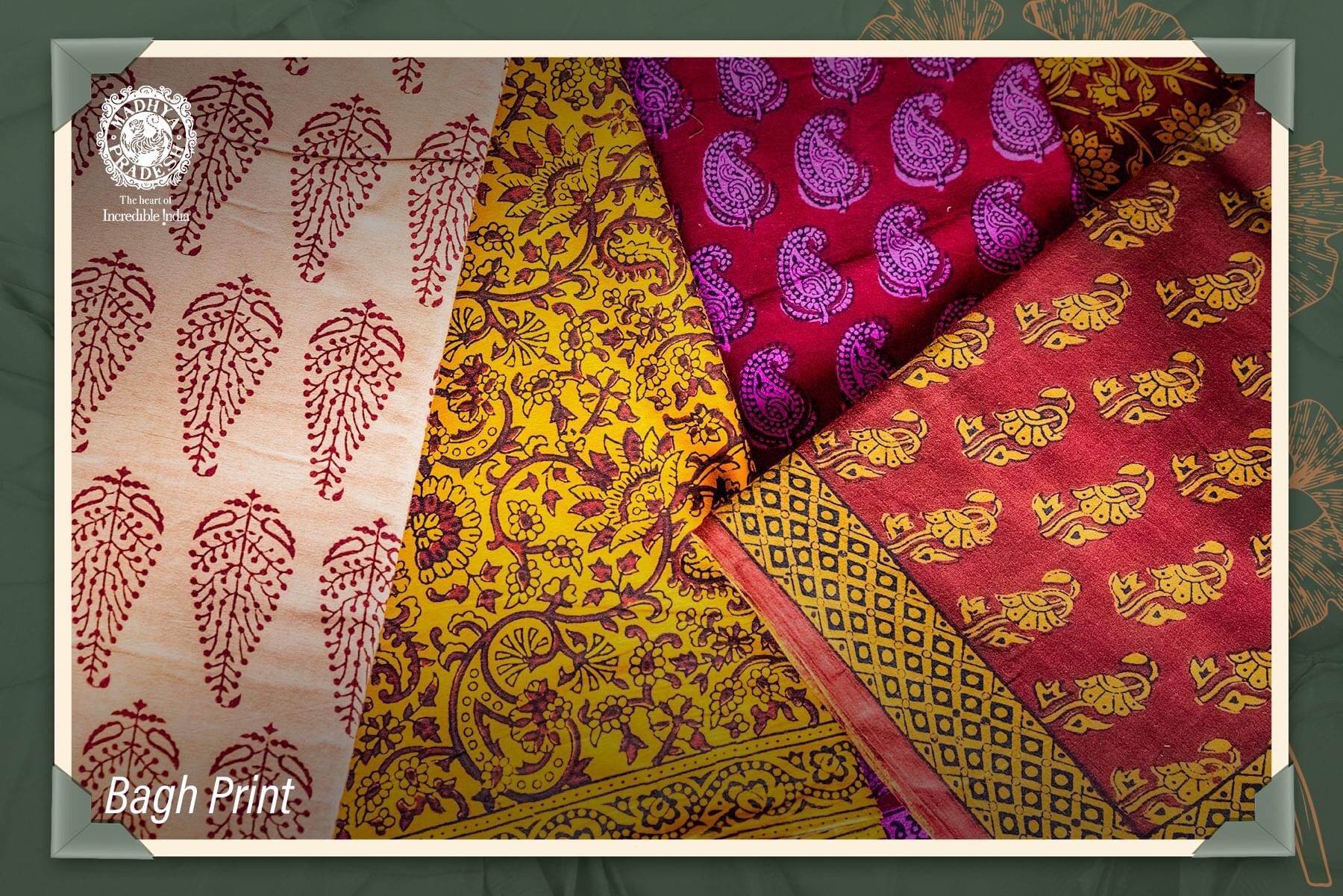
What is Bagh Print and why is Bherugarh famous for it?
Bagh Print is an ancient hand-block printing craft using wax-resist dyeing, natural vegetable dyes and hand-carved wooden blocks. It depends on the local water properties of the Dhar area. The historic cluster of Bherugarh near Ujjain is its best-known home, and the finished fabric is marked by crackled veins where the wax broke during dyeing.
What is Dhokra and how is it made?
Dhokra is practised by the Bharewa tribal community using the ancient lost-wax casting process. Artisans melt and pour brass to create tribal figurines, animals and traditional decorative objects.
Why are Chanderi and Maheshwari sarees distinguished?
Chanderi sarees are defined by sheer texture, light weight and elegant motifs from a centuries-old handloom tradition in the town of Chanderi. Maheshwari sarees come from Maheshwar along the Narmada, grew under Maharani Ahilya Bai Holkar, and are known for a silk-cotton balance and borders inspired by local architecture.
What makes Patangarh Gond painting distinctive?
Patangarh painting comes from the Gond tribal artists of Patangarh village and is internationally acclaimed. It uses traditional natural colours to turn folklore, ancestral myths and forest ecology into visual stories, with compositions built entirely from meticulous patterns, repeating dots and precise lines.
Which GI-tagged crafts can be found near Ujjain?
Bagh print from the historic Bherugarh cluster near Ujjain is the best known, and Indore leather craft, a GI-tagged tradition from 2015, is nearby as well. Ghatsil pillar carving and Ujjain sandalwood work are also part of the state's recognised craft traditions.
What is the value of a GI tag for these crafts?
A GI tag ties a craft to its place of origin and the community that carries the knowledge, so a genuine Bherugarh print or Patangarh Gond painting cannot be produced elsewhere and sold as the real thing. The tags therefore protect both authenticity and the livelihoods behind these working crafts.
Source: Madhya Pradesh Tourism. Compiled from the Madhya Pradesh Tourism page of the same name; figures and place names are as given there.
