
Authentic Flavors of Madhya Pradesh: Uncovering the State's GI-Tagged Delicacies
What a GI tag actually means
Visitors to Madhya Pradesh usually arrive for its forts, sanctuaries and temples. But to understand the state you have to eat it, and specifically to eat the things that carry a Geographical Indication tag. A GI tag is not a marketing seal. It certifies that a product has qualities, flavour or historic legacy rooted strictly in one region of origin, which ties the name to a place and the place to particular skills and ingredients.
The GI-tagged foods of Madhya Pradesh span very different landscapes, from the forest belts of Jhabua to the trade centres of Malwa and the rugged Chambal Valley.
Ratlami Sev: the Malwa snack that became famous
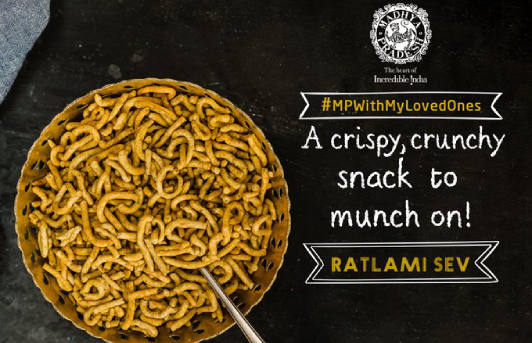
The story of Ratlami Sev goes back to the late 19th century. Royal legends suggest that when Mughal rulers passed through the Malwa region, their cooks wanted to make vermicelli, or sewaiya, but had no wheat flour. Local Bhil tribes suggested using chickpea flour, or besan, instead. Local sweetmakers, known as halwais, refined that into a deeply fried savoury snack, and Ratlam became the snack capital of Central India.
Authentic Ratlami Sev is identifiable by its thick, coarse texture and bold, fiery flavour. Gram flour is mixed with cloves, carom seeds, black pepper, asafoetida and other local spices, pressed through large brass moulds and fried in groundnut oil. The traditional frying method gives it a long shelf life and a crisp crunch without leaving it heavy with oil. The first bite cracks, then gives way to the warm tingle of clove oil.
In Malwa, sev is less a snack than a habit. It goes on morning poha, into sev tamatar ki sabzi, inside parathas, or alongside a hot cup of masala chai.
Morena Gajak: beaten by hand in the Chambal Valley
In the rugged terrain of the Chambal Valley, Morena comes alive each winter as a centre for traditional confectionery. Gajak is made by combining quality sesame seeds with boiled jaggery or sugar syrup. While the mixture is still warm and soft, two or three artisans beat it rhythmically with heavy wooden mallets for hours, working air into it until the dense caramel becomes thin, crisp layers.
Artisans attribute the character of Morena Gajak to the local Chambal water, which they believe carries minerals that help the sugar and jaggery set correctly. Nothing artificial is required, just local ingredients, accurate timing and skill.
Good gajak should never feel sticky or dense. It breaks with a light, dry crack, then dissolves on the tongue with roasted sesame and a molasses finish. It is winter comfort food, valued for warmth and traditionally for its digestive qualities.
Kadaknath chicken: black flesh, unusual nutrition
In the forests of western Madhya Pradesh, Kadaknath has been raised for centuries by the Bhil and Bhilala communities, who call it Kali Masi, or black flesh. It is food, ritual and cultural practice at once.
What distinguishes Kadaknath visually is its colour. Feathers, beak, legs and internal organs are all dark because of a rare genetic trait called fibromelanosis. The nutrition is the more surprising part: unlike commercial poultry, which can carry fat contents of up to 13 to 25 percent, free-range Kadaknath meat contains under 1 percent fat while being significantly higher in protein and iron. Because the birds forage freely across tribal forest belts, the meat is lean, dense and firm.
That firmness shapes the cooking. Kadaknath is simmered slowly over a wood fire in heavy iron pots with freshly ground garlic, ginger, dry red chillies and coriander. The slow cooking produces a rich gravy and lets the meat absorb the spices, giving it a deep, earthy taste quite unlike ordinary chicken.
Why the tag matters
Each of these is more than a local favourite. A GI tag records a recipe that has stayed in a particular place, made by particular communities, from particular local inputs. The tag protects that: it means a sev bought elsewhere cannot legitimately call itself Ratlami, and a gajak cannot borrow Morena's name.
So on a visit to Madhya Pradesh, it is worth planning for a few of these alongside the monuments. Ratlami sev for the snacking, Morena gajak in winter, and Kadaknath if you want to understand what the tribal belt is actually like to eat.
Planning your own trip
Planning the trip yourself and weighing up hotels, cabs and the order in which to see the sights? Shrimm Tours & Travels can walk you through the options for Madhya Pradesh and the districts around it, and tell you what actually fits the days you have. It costs nothing to ask first. See what they can arrange before you book anything yourself.
What does a GI tag mean for Madhya Pradesh foods?
A Geographical Indication tag certifies that a product has unique qualities, distinct flavour or a historic legacy rooted strictly in its region of origin. It ties the food to a specific place and the community knowledge behind it, so the name cannot legitimately be used for produce from elsewhere.
What is Ratlami Sev and how is it different from regular sev?
Ratlami Sev is a thick, coarse, boldly spiced fried snack from Ratlam in Malwa. Gram flour is mixed with cloves, carom seeds, black pepper and asafoetida, pressed through brass moulds and fried in groundnut oil. Legend credits local Bhil tribes with suggesting chickpea flour when wheat was unavailable to Mughal-era royal cooks.
How is Morena Gajak made?
Quality sesame seeds are combined with boiled jaggery or sugar syrup, then beaten rhythmically with heavy wooden mallets by two or three artisans for hours while still warm. The beating incorporates air, turning the dense caramel into thin, crisp layers. Artisans credit the mineral content of local Chambal water for how well it sets.
Why is Kadaknath chicken black?
Its dark colouring comes from a rare genetic trait called fibromelanosis, which affects the feathers, beak, legs and internal organs. The Bhil and Bhilala communities of western Madhya Pradesh call it Kali Masi, meaning black flesh, and have raised the breed for centuries.
Is Kadaknath meat healthier than regular chicken?
Free-range Kadaknath meat is reported to contain less than 1 percent fat, compared with up to 13 to 25 percent in commercial poultry, while being significantly higher in protein and iron. Because the meat is lean and firm, it is traditionally simmered slowly over a wood fire rather than fried quickly.
Which three GI-tagged foods are covered in detail?
The three specialties are Ratlami Sev from Ratlam in Malwa, Morena Gajak from the Chambal Valley, and Kadaknath chicken from the tribal belt of western Madhya Pradesh around Jhabua.
Source: Madhya Pradesh Tourism. Compiled from the Madhya Pradesh Tourism page of the same name; figures and place names are as given there.
