
Holi in Madhya Pradesh: Colour, Ritual and the Tribal Holi of Bhagoria
More than a splash of colour
Holi in Madhya Pradesh is layered rather than simple. It arrives with the spring and brings towns, temples, forests and villages into the same festival, combining history, spirituality, music and cultural performance. For a visitor it is one of the few times of year when the state's different characters are all celebrating on the same day.
Orchha: colour against heritage
In Orchha, Holi unfolds with the palaces and temples as its backdrop. Colours mix with devotional songs, temple rituals and processions that blend faith with festivity. The calm Betwa, the sandstone architecture and the slow rhythm of the town give the festival a poised, almost poetic quality that no crowded street can replicate.
Ujjain: devotion and joy together
Ujjain carries Holi with more spiritual weight. Celebrations around the Mahakaleshwar Temple combine ritual, reverence and joy, and the air fills with chants, music and gulal at once. It is the rare festival where a reverence and celebration sit side by side without either one cancelling the other out, which is what makes Ujjain's Holi distinctive.
Bhagoria in the tribal heartland
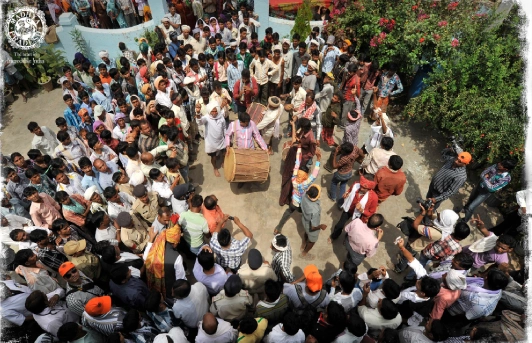
Western Madhya Pradesh adds an entirely different rhythm. Bhagoria, celebrated by the Bhil and Bhilala communities of districts including Jhabua, Alirajpur and Dhar, is marked by colourful haats, traditional music, dances and the symbolic exchange of gulal. Rooted in harvest celebration and community building, it reflects the region's connection with nature, its courtship narratives and a distinctive register of joy.
This is the version of Holi that gives visitors a real window into tribal heritage rather than a festival staged for them.
The village Holi
In villages across Malwa, Bundelkhand and the Satpura belt, Holi is marked by folk songs, traditional dances, communal feasts and customs that have been passed down for generations. Visitors are generally welcomed as participants rather than spectators, which is the difference between a performance you watch and a celebration you are part of.
And the food
Food carries as much weight as colour. Gujiyas, malpuas, regional savouries and festive drinks appear at every gathering, and each part of the state brings its own version, turning Holi into a shared culinary event as much as a visual one.
What makes Madhya Pradesh's Holi different
It is the balance. Joy alongside grace, celebration with an eye on sustainability, tradition that is warm rather than closed. Whether you spend the day in a heritage town, a sacred city or a tribal village, the result feels authentic, grounded and human.
That is the version of Holi worth travelling for: not only the colour, but the stories, rituals and landscapes that keep going after the colour has gone.
Planning your own trip
Planning the trip yourself and weighing up hotels, cabs and the order in which to see the sights? Shrimm Tours & Travels can walk you through the options for Madhya Pradesh and the districts around it, and tell you what actually fits the days you have. It costs nothing to ask first. See what they can arrange before you book anything yourself.
What is Bhagoria and where is it celebrated?
Bhagoria is a festival of the Bhil and Bhilala communities celebrated in the tribal heartland of western Madhya Pradesh, including the districts of Jhabua, Alirajpur and Dhar. It features colourful haats, traditional music, vibrant dances and the symbolic exchange of gulal, and is rooted in harvest celebrations and community building.
How is Holi celebrated at Orchha?
Holi in Orchha unfolds against the backdrop of the town's palaces and temples, where colours mix with devotional songs, temple rituals and processions blending faith with festivity. The calm Betwa River, sandstone architecture and slow rhythm of the town give the festival a poised, poetic quality.
What makes Holi in Ujjain different from other celebrations?
Ujjain's Holi carries deep spiritual resonance because celebrations around the Mahakaleshwar Temple combine ritual, reverence and joy, with chants, music and gulal filling the air together. It is one of the few places where reverence and celebration sit side by side without either cancelling the other out.
How is Holi observed in Madhya Pradesh's villages?
In villages across Malwa, Bundelkhand and the Satpura belt, Holi is marked by folk songs, traditional dances, communal feasts and age-old customs passed down through generations. Visitors are welcomed as participants rather than spectators, giving them a genuine glimpse into community life and living tradition.
What food is served during Holi in Madhya Pradesh?
Food plays a central role, with gujiyas, malpuas, regional savouries and festive drinks served at gatherings across the state. Each region brings its own flavours, turning every Holi celebration into a shared culinary event as well as a visual one.
What is unique about Holi in Madhya Pradesh overall?
What sets it apart is a sense of balance: joy alongside grace, celebration with attention to sustainability, and tradition that is warm rather than closed. The festival brings heritage towns, sacred cities and tribal villages into the same celebration, so a single trip can cover very different versions of Holi.
Source: Madhya Pradesh Tourism. Compiled from the Madhya Pradesh Tourism page of the same name; figures and place names are as given there.
