
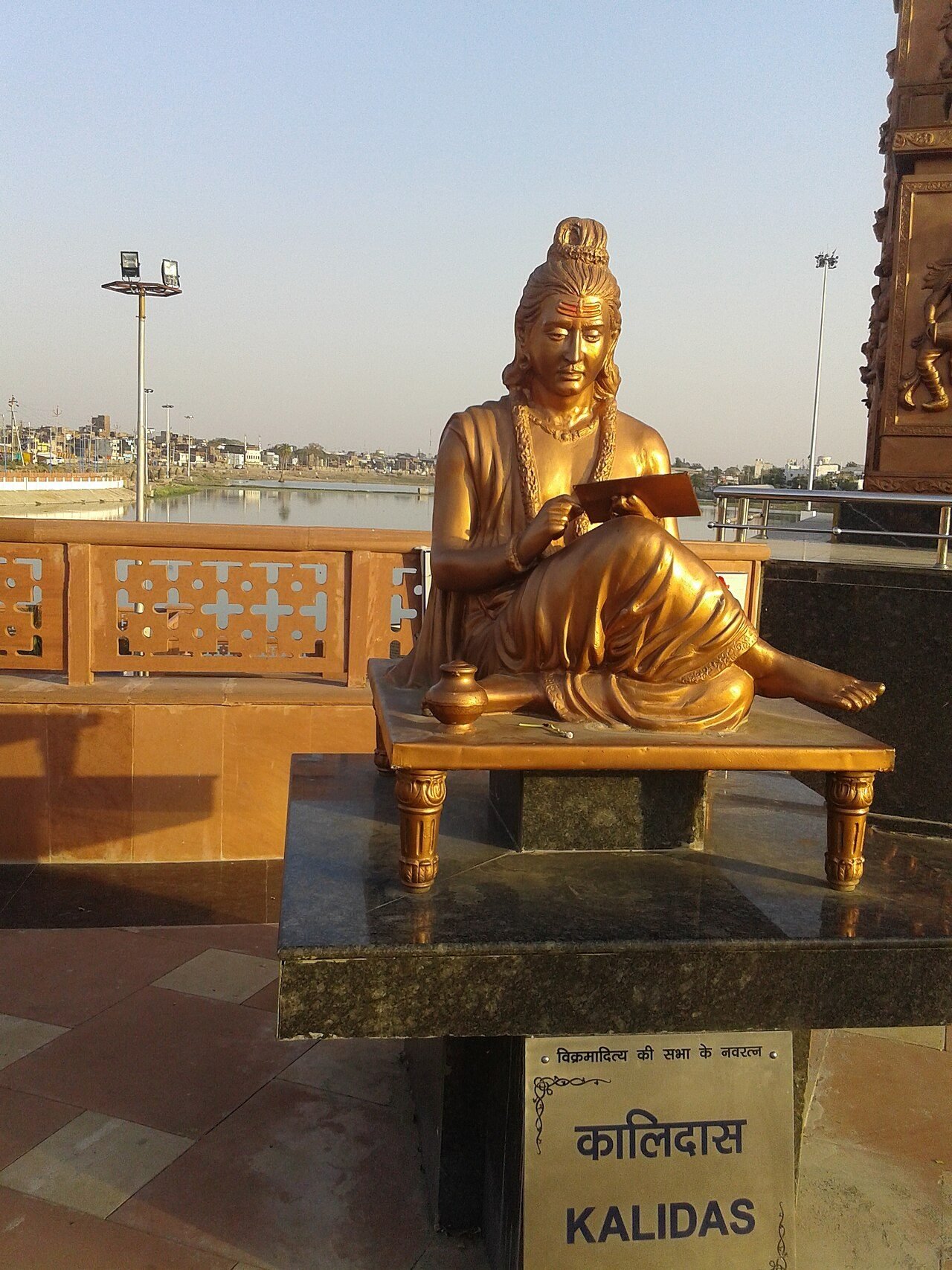
Kalidasa in Ujjain: Epics, Plays & Meghaduta
Discover Kalidasa’s epics, plays, and Meghaduta’s Ujjayini verses. A Ujjain literary heritage guide for readers, students, and cultural travelers.
Kalidasa is one of the greatest names in Sanskrit literature, and Ujjain holds a special place in his literary imagination. For visitors exploring Ujjain’s heritage, Kalidasa offers a bridge between temple city and classical poetry—especially through Meghaduta, where Ujjayini appears as a city the cloud messenger must not miss.
Kalidasa’s major works
Kalidasa’s widely attributed works span poetry and drama. His two famous lyrical works are Ritusamhara, a vivid cycle of the six seasons, and Meghaduta, where an exiled Yaksha sends a message to his beloved through a cloud. His two mahakavyas are Kumarasambhava, about the birth of Kartikeya, and Raghuvamsha, chronicling the Raghu dynasty. His three celebrated plays are Malavikagnimitram, Vikramorvashiyam, and Abhijnanashakuntalam.
Textual traditions note that Kumarasambhava survives in 17 cantos, but the later cantos are often discussed separately from the core early cantos. When publishing or teaching, it’s best to present this as a textual tradition detail rather than a simple yes/no claim.
Meghaduta and Ujjayini
In Meghaduta, the Yaksha asks the cloud to pass through Ujjayini and describes its beauty, including Mahakala’s evening worship and the Shipra’s charm. This literary passage is one of the strongest cultural reasons Kalidasa is remembered in Ujjain. It also makes a beautiful pre-visit read before a Mahakaleshwar or Ram Ghat walk. You can read the text tradition via GRETIL.
Kalidasa in modern Ujjain
Ujjain keeps Kalidasa’s legacy alive through Kalidasa Sanskrit Akademi and the annual Akhil Bhartiya Kalidas Samaroh. The festival has roots in Pt. Suryanarayan Vyas’s Kalidasa Jayanti efforts and was inaugurated at national scale in 1958. Today it brings together theatre, dance, music, and scholarship. For the event guide, see Kalidas Samaroh: history, venue, and how to reach.
Recommended reading sources
For readers who want primary/edited texts, see C. R. Devadhar’s editions: Works of Kalidasa, Vol. 1 (Archive.org) and Works of Kalidasa, Vol. 2 Poetry (Archive.org).
Frequently Asked Questions
Q: What are Kalidasa’s two epics? A: Kalidasa’s two major mahakavyas are Raghuvamsha and Kumarasambhava.
Q: Which Kalidasa work mentions Ujjain? A: Meghaduta famously describes Ujjayini, asking the cloud messenger to visit the city and observe Mahakala and the Shipra.
Q: Did Kalidasa write Abhijnanashakuntalam? A: Yes, Abhijnanashakuntalam is one of Kalidasa’s most celebrated plays, widely attributed to him.
Q: Is Kalidasa’s biography fully known? A: No. His works are well known, but details of his life, dates, and birthplace are debated; his literary association with Ujjain remains culturally significant.
Q: Where can I experience Kalidasa’s legacy in Ujjain? A: Visit Kalidasa Sanskrit Akademi, attend Kalidas Samaroh, and explore Mahakal/Ram Ghat with the Meghaduta’s Ujjayini imagery in mind.
Plan a culture-first Ujjain trip
Combine temple darshan with Kalidasa heritage sites and festival evenings. Shrimm Tours and Travels can help you build the right Ujjain itinerary.
We are proud to host VIPs, renowned artists, performers, and cultural delegates over three decades of legacy in Ujjain. For VIP stays, artist accommodations, and performer travel planning, Book Now / Contact us or connect with Shrimm Tours and Travels.
Sources: Kalidasa Sanskrit Akademi; GRETIL Meghaduta; Works of Kalidasa, Vol. 1; Works of Kalidasa, Vol. 2.
