
8 GI-Tagged Agriculture & Horticulture Products of Madhya Pradesh
Why the GI tag matters for farm produce
Madhya Pradesh's diverse agro-climatic conditions support an unusually wide range of agricultural and horticultural produce, and several of these have earned a Geographical Indication tag. The recognition highlights a product's unique identity and its strong connection to the region where it is cultivated, but it also reflects the traditions, skills and heritage of the farming communities behind it.
Burhanpur Banana, 2026
In Burhanpur, banana is far more than a fruit growing in abundance. The plant keeps serving the region well beyond the harvest, because its fibre is shaped into sarees, mats, baskets, purses, rakhis and decorative pieces. That versatility and its deep-rooted place in everyday local life earned Burhanpur Banana its GI tag in 2026.
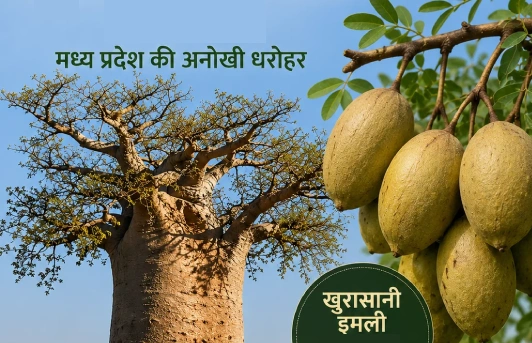
Khurasani Imli, 2026
Khurasani Imli is one of the most unusual GI-tagged products in the country. Rather than being defined only by agricultural technique, it carries a story tied directly to the landscape of Mandu. It is sourced from the baobab trees that have become part of the region's identity, and its GI tag in 2026 formally recognised that distinctive association.
Riyawan Garlic, 2024
Riyawan village in Ratlam district has earned recognition for a distinctive garlic variety valued for robust flavour, high-quality bulbs and strong market appeal. Riyawan Garlic received its GI tag in 2024, highlighting a product grown there through traditional farming practices for generations.
Kathiya Wheat, 2024
Cultivated across the Bundelkhand region and in parts of Uttar Pradesh, Kathiya Wheat is valued for its nutritional qualities. It gained recognition for its quality and growing acceptance in wider markets, reinforced by its GI tag in 2024.
Sharbati Wheat, 2023
The fertile fields of Sehore and Vidisha produce Sharbati Wheat, widely known for its premium quality. Often called the "Golden Grain", it is recognised for its attractive golden appearance and pleasant taste, qualities shaped by the region's growing conditions and formally recognised with a GI tag in 2023.
Sundarja Mango, 2023
Among India's many mango varieties, Sundarja holds a special place in Rewa. It is valued for rich sweetness and appealing aroma, and is eaten fresh as well as processed into pulp, juice, candy, aam papad, pickles, amchur powder and frozen pulp. It received its GI tag in 2023.
Chinnor Rice, 2021
Balaghat, known for its rice-growing tradition, is home to Chinnor Rice, prized for a distinctive aroma and soft texture. Its fragrance is noticeable even before cooking, and careful cultivation helps preserve the purity of the grain. It received its GI tag in 2021.
Nagpuri or Satpuda Orange, 2014
The orange-growing belt of Chhindwara and Pandhurna produces the GI-tagged Nagpuri, also called Satpuda, Orange. With a refreshing flavour and vibrant appeal, its long association with the Satpuda belt was formally recognised with a GI tag in 2014, the earliest among these products.
What the list shows
Read together, these eight products describe the state's agricultural diversity better than any single crop does. Sharbati and Kathiya wheat cover the wheat belt, Chinnor rice the eastern rice country, Sundarja mango and Nagpuri orange the horticultural belt, and Burhanpur banana, Riyawan garlic and Mandu's Khurasani imli the small speciality crops that depend on very specific places. The GI tag on each one is a record of that specificity.
Planning your own trip
Planning the trip yourself and weighing up hotels, cabs and the order in which to see the sights? Shrimm Tours & Travels can walk you through the options for Madhya Pradesh and the districts around it, and tell you what actually fits the days you have. It costs nothing to ask first. See what they can arrange before you book anything yourself.
Which GI-tagged agricultural products come from Madhya Pradesh?
The recognised products include Burhanpur Banana and Khurasani Imli (both 2026), Riyawan Garlic and Kathiya Wheat (both 2024), Sharbati Wheat and Sundarja Mango (both 2023), Chinnor Rice (2021) and Nagpuri or Satpuda Orange (2014).
What is special about Burhanpur Banana?
In Burhanpur, banana is a crop that continues to serve the region beyond the harvest, because the plant's fibre is shaped into sarees, mats, baskets, purses, rakhis and decorative pieces. This versatility and deep-rooted presence in local life earned Burhanpur Banana its GI tag in 2026.
Why is Khurasani Imli unusual among farm products?
Khurasani Imli is distinguished not only by agricultural technique but by a story rooted in the landscape of Mandu. It is sourced from the iconic baobab trees that have become part of the region's identity, and its GI tag in 2026 formally recognised that distinctiveness.
Which GI-tagged wheat varieties come from Madhya Pradesh?
Sharbati Wheat is grown in the fertile fields of Sehore and Vidisha and is often called the Golden Grain for its golden appearance and pleasant taste. It received a GI tag in 2023. Kathiya Wheat, cultivated across Bundelkhand and parts of Uttar Pradesh, received its GI tag in 2024.
Where is Chinnor Rice grown and why is it distinctive?
Chinnor Rice comes from Balaghat, a district with a strong rice-growing tradition. It is prized for a distinctive aroma and soft texture, and its fragrance is noticeable even before cooking. It received its GI tag in 2021.
Which GI-tagged fruit comes from the Satpura belt?
The Nagpuri, or Satpuda, Orange comes from the orange-growing belt of Chhindwara and Pandhurna in the Satpura region. It is valued for its refreshing flavour and received its GI tag in 2014, the earliest among Madhya Pradesh's recognised agricultural products.
Source: Madhya Pradesh Tourism. Compiled from the Madhya Pradesh Tourism page of the same name; figures and place names are as given there.
