
Mahakoshal Cuisine: A Culinary Journey Through the Heart of Madhya Pradesh
A region as varied as its landscape
Mahakoshal occupies the eastern part of Madhya Pradesh, and it is defined less by a single monument than by a stretch of country. It covers the districts of Jabalpur, Katni, Narsinghpur, Mandla, Dindori, Seoni and Chhindwara. Within it sit the Marble Rocks of Bhedaghat, the sacred Narmada River, dense forest, active wildlife country, and the cultural heritage of the Gond and Baiga communities.
Just as varied as the geography is the food. Mahakoshal cooking carries the influence of the royal kitchens of the Gonds, Kalchuris, Satavahanas and Marathas, which means it swings between rustic simplicity and royal indulgence without straining. Traditional cooking methods, locally grown grains, forest produce and aromatic spices give the dishes their character.
Vegetarian food built on the farmlands
Mahakoshal has productive farmlands, and that is where the vegetarian side of the cuisine starts. The region's grains and vegetables are simple ingredients, but the techniques applied to them are not, and the results are quietly excellent rather than showy.
The clearest example of the region's grain-led cooking is Bhutte Ki Kees, a corn preparation that has become one of Mahakoshal's signature dishes. Corn is a staple of the plateau belt that surrounds Jabalpur and Katni, and treating it as the centre of a dish rather than a side is what makes the preparation distinctive to the region.
Where royal kitchens show through
The royal inheritance is clearest in the non-vegetarian food, and a grilled seekh kebab is the example worth seeking out. It arrives smoky and direct, which is a long way from the heavily spiced, gravy-based preparations common elsewhere in the state.
This is the interesting tension in Mahakoshal cooking. The Mahakoshal region's history stretches back to the Satavahanas, who were followed in the area by Kalchuri and Gond rulers, and later by Maratha influence. Maratha rule in this part of the state left a real mark on the food, so it is entirely normal to move within a single meal from a forest-and-grain dish to something that reads as a court kitchen preparation.
Every meal ends sweet
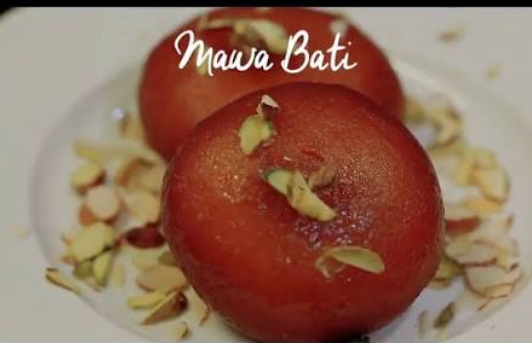
Sweet is not an optional extra here. Every Mahakoshal meal finishes on a sweet note, and the region's version is Mawa Bati, made from mawa with a rich, firm texture that stands up to the savoury dishes it follows.
Where the produce comes from
Part of the reason Mahakoshal food tastes the way it does is the range around it. The Narmada runs through the region, and Seoni, Mandla, Dindori and Chhindwara supply forest produce, livestock and forest honey from the Satpura and Maikal country. A meal in Mahakoshal can move between ingredients that come from very different kinds of terrain within a day's drive.
How to eat it
Order Bhutte Ki Kees as a starting point, follow with a grilled seekh kebab, and finish with Mawa Bati. That sequence covers the vegetarian, the royal and the sweet traditions in one sitting, and it is the most economical way to understand the region through its food.
These authentic regional dishes can be pre-ordered at MPSTDC hotels across the Mahakoshal region, or eaten at local restaurants and eateries in Jabalpur, Katni, Narsinghpur, Mandla, Dindori, Seoni and Chhindwara.
Planning your own trip
Planning the trip yourself and weighing up hotels, cabs and the order in which to see the sights? Shrimm Tours & Travels can walk you through the options for Madhya Pradesh and the districts around it, and tell you what actually fits the days you have. It costs nothing to ask first. See what they can arrange before you book anything yourself.
Which districts make up the Mahakoshal region?
Mahakoshal covers Jabalpur, Katni, Narsinghpur, Mandla, Dindori, Seoni and Chhindwara in eastern Madhya Pradesh. The region includes the Marble Rocks of Bhedaghat, the Narmada River, extensive forest and wildlife country, and the cultural heritage of the Gond and Baiga communities.
What is Bhutte Ki Kees?
Bhutte Ki Kees is Mahakoshal's signature corn preparation, built on the maize that is a staple of the plateau belt around Jabalpur and Katni. Treating corn as the centre of a dish rather than a side is what makes the preparation specific to the region.
How has royal history shaped Mahakoshal cuisine?
Mahakoshal cooking reflects the royal kitchens of the Gonds, Kalchuris, Satavahanas and Marathas. That history shows most clearly in non-vegetarian cooking, including grilled preparations such as the smoky seekh kebab, and gives the cuisine a character that swings between rustic simplicity and royal indulgence.
What dessert finishes a Mahakoshal meal?
Every Mahakoshal meal ends on a sweet note. The region's version is Mawa Bati, a rich mawa-based sweet with a firm texture, and finishing with it is considered an expected part of the meal rather than an optional extra.
Why does Mahakoshal food rely on local produce?
The region's fertile farmlands supply its grains and vegetables, while the Satpura and Maikal forests around Seoni, Mandla, Dindori and Chhindwara contribute forest produce, livestock and honey. The Narmada runs through the area, so ingredients come from several different terrains within short distances.
Where can visitors try Mahakoshal dishes?
Authentic regional dishes can be pre-ordered at MPSTDC hotels across the Mahakoshal region, and are also served at local restaurants and eateries in Jabalpur, Katni, Narsinghpur, Mandla, Dindori, Seoni and Chhindwara.
Source: Madhya Pradesh Tourism. Compiled from the Madhya Pradesh Tourism page of the same name; figures and place names are as given there.
