
Panna Beyond Tigers: A Journey Through Wildlife, Waterfalls and the Ken River
A reserve that is more than its reputation
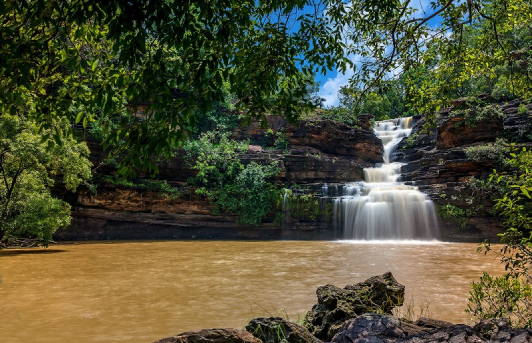
Panna Tiger Reserve is known worldwide for its historic wildlife reintroduction and its thriving tiger population. But the forest that made the reintroduction famous is worth visiting for its own sake. Panna sits in the northern Vindhya Hills, and its terrain is the reason most visitors come away surprised: ancient gorges cut through sandstone plateaus, and the Ken River carves a path of life through the middle of it.
The reserve covers a total area of 1,598.1 square kilometres, made up of a 576.13 sq km core and a 1,021.97 sq km buffer. Within that sits a striking mix of bench-like tablelands, deep rock escarpments, open savannah grasslands and lush riverine forest. The result is habitat for more than 200 bird species, including rare cliff-nesting vultures, and a landscape of waterfalls and gorges that rewards anyone willing to look past the big cats.
The Ken River
The Ken runs for more than 55 kilometres through the reserve and is central to both Panna's scenery and its ecology. It cuts through the rugged Vindhyan terrain, forming deep valleys that support rich aquatic and riverine wildlife. It is also the reason the dry plateau landscape reads the way it does, with water and green cover following the valley floors.
Landscapes worth planning a zone around
Because Panna's scenery varies so sharply between zones, the zone you book determines what you actually see. Madla is the most popular entry, known for river views and rocky scenery. Hinauta is the plateau and gorge country, and it is considered good habitat for sloth bears and leopards. Harsa offers the quietest drives and the fewest visitors.
When to come
Panna is best explored between October and June. Winter brings cool, pleasant weather and comfortable safari conditions, while summer concentrates wildlife around the remaining water sources and can therefore improve sighting chances. The core zone closes during the monsoon from July to September, but buffer zones stay open and offer a quieter experience in a landscape that turns lush.
Getting there
Panna is well connected by road. It sits roughly 25 kilometres from Khajuraho, 90 kilometres from Satna and 182 kilometres from Jhansi via Chhatarpur. Khajuraho is the nearest railway station at 25 km, and Satna at 90 km is a major junction with connections across India. Khajuraho Airport is the nearest airport, about 25 kilometres from the Madla entry gate.
Where to stay
Accommodation is managed by the park and clustered near its key forest areas and entry zones. Karnawati Forest Rest House offers a park-managed stay close to the reserve. The Jungle Cottage at Hinauta sits near the Hinauta zone as a convenient base. Forest Rest Houses at both Madla and Hinauta are located near the main entry areas and work well for a night before or after a safari.
Permits, fees and daily vehicle limits
Safari permit fees vary by zone, vehicle type and visitor category. Daily vehicle numbers are capped to protect the forest ecosystem, and the limits differ markedly between zones: Madla allows up to 60 vehicles a day, Hinauta up to 25 and Harsa up to 20. Live permit availability and current fees are published on the Madhya Pradesh Forest Department booking portal at forest.mponline.gov.in, and booking ahead is worth the effort at busy times of year.
Planning your own trip
Planning the trip yourself and weighing up hotels, cabs and the order in which to see the sights? Shrimm Tours & Travels can walk you through the options for Madhya Pradesh and the districts around it, and tell you what actually fits the days you have. It costs nothing to ask first. See what they can arrange before you book anything yourself.
How large is Panna Tiger Reserve?
Panna covers a total of 1,598.1 square kilometres, made up of a 576.13 sq km core zone and a 1,021.97 sq km buffer zone. The landscape includes bench-like tablelands, deep rock escarpments, open savannah grasslands and riverine forest along the Ken.
Which zones can be visited in Panna Tiger Reserve?
There are three main safari zones. Madla is the most popular, with river views and rocky landscapes. Hinauta is known for plateau scenery, gorge views and habitat for sloth bears and leopards. Harsa offers quieter forest drives with fewer visitors.
When is the best time to visit Panna?
October to June is the main season. Winters are cool and comfortable for safaris, while summer brings wildlife in around water sources and improves sighting chances. The core zone closes from July to September during the monsoon, but buffer areas remain open.
How many vehicles are allowed per day in each zone?
Daily vehicle limits are capped to protect the ecosystem. Madla Zone allows up to 60 vehicles per day, Hinauta Zone up to 25 and Harsa Zone up to 20.
What are the safari permit fees at Panna?
Permit fees vary depending on the safari zone, the vehicle type and the visitor category. Current fees and live permit availability are published on the Madhya Pradesh Forest Department portal at forest.mponline.gov.in.
How far is Panna from the nearest airport and railway station?
Khajuraho Airport is the nearest airport, about 25 kilometres from the Madla entry gate. The nearest railway station is Khajuraho at 25 kilometres, while Satna, a major junction, is 90 kilometres away. Panna is 182 kilometres from Jhansi via Chhatarpur.
Source: Madhya Pradesh Tourism. Compiled from the Madhya Pradesh Tourism page of the same name; figures and place names are as given there.
