
Ujjain Tour Packages: How to Choose an Itinerary That Is Not Just a Temple List
Credit: TourMyIndia
Ujjain, a city steeped in history and spirituality, is a treasure trove of temples, shrines, and cultural landmarks. However, when it comes to planning a tour, many travelers find themselves overwhelmed by the sheer volume of temples and religious sites. The city’s appeal lies not just in the number of monuments but in the rhythm of its daily life, especially the mesmerizing aartis and the golden light of the Kshipra River. This article aims to guide you through creating a meaningful itinerary that respects Ujjain’s unique character rather than reducing it to a mere list of temples.
What a One-Day Itinerary Can Honestly Cover
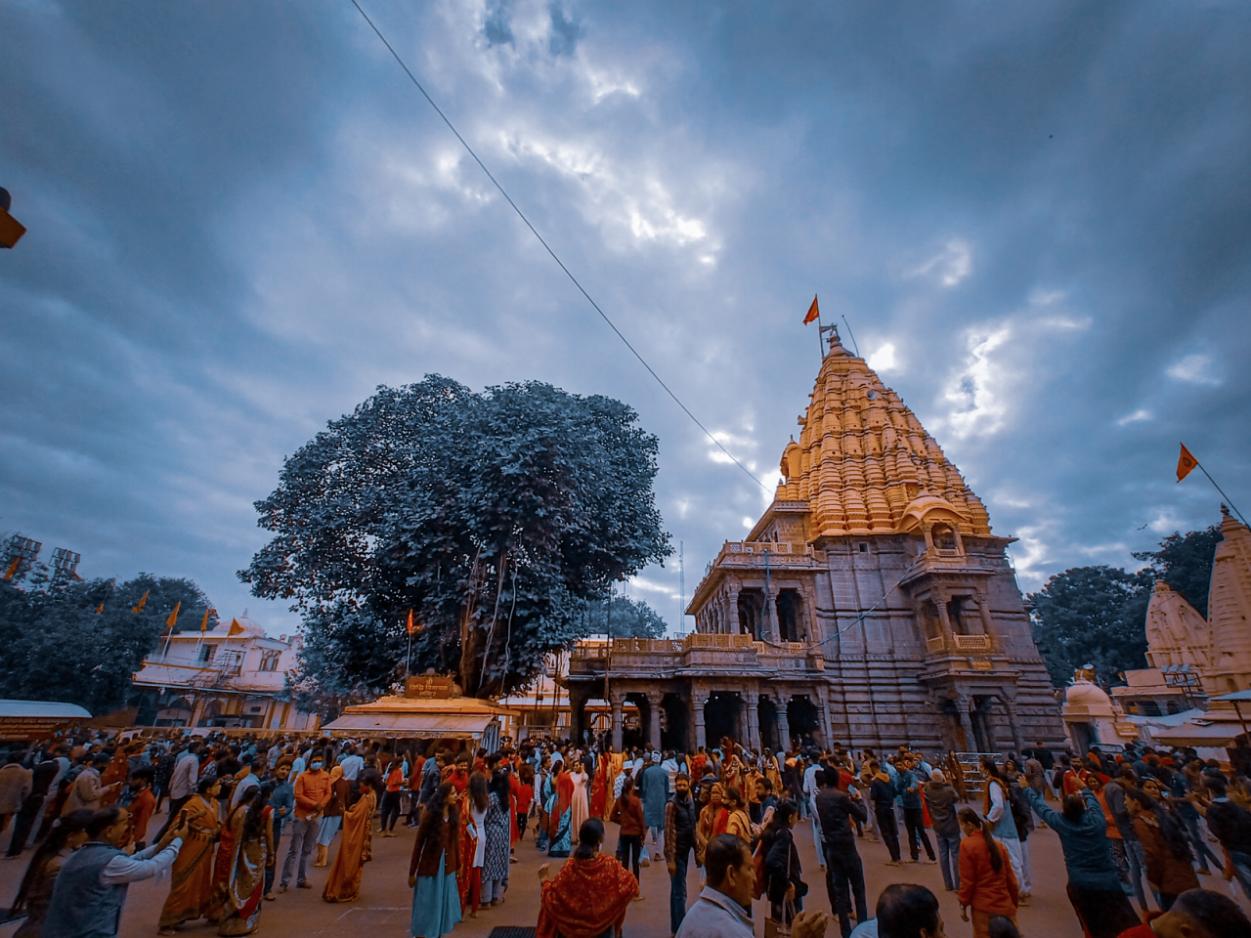
A single day in Ujjain can be a whirlwind of experiences if planned wisely. Start your morning with a visit to the Mahakaleshwar Jyotirlinga, one of the most revered temples in the city [2]. As the sun rises, you’ll witness the first aarti, a ritual that marks the beginning of the day’s spiritual journey. Afterward, take a stroll along the Kshipra River, where the golden light reflects off the water, creating a magical atmosphere [1].
For lunch, consider a local meal at a family-run restaurant, offering a taste of traditional Madhya Pradesh cuisine. In the afternoon, head to the Bhartrihari Caves, where the ancient Buddhist monasteries stand as a testament to the city’s rich history [6]. As the day winds down, visit the Jantar Mantar, India’s only fully functional observatory built by Maharaja Jai Singh [5], and watch the stars twinkle above the city.
Two-Day and Three-Day Shapes
A two-day itinerary allows for a deeper exploration of Ujjain’s cultural and historical aspects. On the first day, focus on the temples and the river. Begin with the Mahakaleshwar Jyotirlinga, then head to the Chintaman Ganesh Temple and the Maa Wagheshvari Temple [7]. In the evening, enjoy the aarti at the Kshipra River, a moment that encapsulates the city’s spiritual essence.
On the second day, delve into the city’s heritage. Visit the Durgadas Ki Chhatri, a historical monument, and the Kaliadeh Palace, which offers a glimpse into the royal past [7]. In the afternoon, explore the Bharatiya Vidya Bhavan Museum and the Vikram University, both of which provide insights into the city’s academic and cultural landscape.
For a three-day trip, consider adding a day trip to nearby places like the Ajmer Sharif Dargah or the historic city of Bhopal. This extension allows for a broader perspective, connecting Ujjain to the wider cultural tapestry of Madhya Pradesh.
Temple List Versus River and Heritage
Many tour packages in Ujjain are marketed based on the number of temples visited, which can lead to a rushed and superficial experience. However, the true magic of Ujjain lies in its rhythm of aartis and the interplay of light and water on the Kshipra River. The aartis, performed at specific times throughout the day, are not just rituals but moments of connection with the divine. Similarly, the river’s light changes with the time of day, creating a visual spectacle that is as much a part of the city’s identity as its temples.
Instead of focusing solely on the temples, consider integrating the river and its surrounding areas into your itinerary. The riverbanks are not just scenic spots but also sites of historical and spiritual significance. The Bhartrihari Caves, located on the riverbank, offer a unique perspective on the city’s Buddhist heritage [6].
Choosing a Fixed-Departure Group Versus Private
When planning a trip to Ujjain, the choice between a fixed-departure group and a private tour depends on your preferences and needs. Fixed-departure groups are convenient for those who want a structured itinerary and don’t mind a group setting. They often include guided tours and meals, making them ideal for first-time visitors or those with limited time.
Private tours, on the other hand, offer more flexibility and customization. You can tailor your itinerary to your interests, whether it’s exploring the temples in detail or enjoying the river’s natural beauty. Private tours also allow for more personalized interactions with local guides, enhancing the overall experience.
What to Confirm Before You Pay
Before finalizing your tour package, it’s essential to confirm several key details. First, ensure that the itinerary includes the temples and sites that align with your interests. Ask about the timing of the aartis and the availability of guided tours. Additionally, confirm the transportation arrangements, as Ujjain’s temples are spread across the city and require a well-planned route.
It’s also important to check the accommodation options. Some packages may include hotels, while others may require you to book separately. Confirm the type of accommodation and its proximity to the main attractions. Lastly, make sure that the tour operator provides a detailed breakdown of the costs, including any additional expenses such as meals or entrance fees.
Travelling with Children or Elders
Traveling with children or elders requires careful planning to ensure a comfortable and enjoyable experience. For children, the temples and cultural sites can be engaging, but it’s important to consider their age and physical capabilities. The temples are often quite large, and some may have steep stairs. It’s advisable to plan visits to the temples during the day when the temperature is cooler and the crowds are fewer.
For elders, the pace of the tour should be adjusted to accommodate their needs. The Kshipra River and the Jantar Mantar offer peaceful environments that are ideal for a slower pace. Ensure that there are rest stops and that the tour operator is willing to accommodate any special requests.
Frequently Asked Questions
Q: How many temples should I visit in a day? A: A well-planned day in Ujjain can cover 4-5 major temples, including the Mahakaleshwar Jyotirlinga, Chintaman Ganesh, and Maa Wagheshvari [7].
Q: Are the aartis free to attend? A: Yes, the aartis are generally free, though donations are often accepted. They are performed at specific times throughout the day [1].
Q: What is the best time to visit Ujjain? A: The best time to visit Ujjain is between October and February when the weather is pleasant and the city is less crowded [1].
Q: Are there any restrictions on visiting the temples? A: Most temples have dress code requirements, and entry may be restricted during certain hours or on specific days. It’s advisable to confirm these details with the temple authorities [2].
Q: How long does the Kumbh Mela last? A: The Kumbh Mela in Ujjain lasts for 12 years, with the event occurring every 12 years [4].
Q: What are the must-visit sites besides the temples? A: Besides the temples, the Jantar Mantar, Bhartrihari Caves, and the Kaliadeh Palace are must-visit sites [5][6][7].
In conclusion, Ujjain is a city that offers a unique blend of spirituality, history, and natural beauty. By focusing on the rhythm of the aartis and the golden light of the Kshipra River, you can create a meaningful and memorable itinerary that goes beyond a simple list of temples. With careful planning and a respectful approach to the city’s culture, your journey through Ujjain can be both enriching and transformative.
How many temples should I visit in a day?
A well-planned day in Ujjain can cover 4-5 major temples, including the Mahakaleshwar Jyotirlinga, Chintaman Ganesh, and Maa Wagheshvari [7].
Are the aartis free to attend?
Yes, the aartis are generally free, though donations are often accepted. They are performed at specific times throughout the day [1].
What is the best time to visit Ujjain?
The best time to visit Ujjain is between October and February when the weather is pleasant and the city is less crowded [1].
Are there any restrictions on visiting the temples?
Most temples have dress code requirements, and entry may be restricted during certain hours or on specific days. It’s advisable to confirm these details with the temple authorities [2].
How long does the Kumbh Mela last?
The Kumbh Mela in Ujjain lasts for 12 years, with the event occurring every 12 years [4].
What are the must-visit sites besides the temples?
Besides the temples, the Jantar Mantar, Bhartrihari Caves, and the Kaliadeh Palace are must-visit sites [5][6][7]. In conclusion, Ujjain is a city that offers a unique blend of spirituality, history, and natural beauty. By focusing on the rhythm of the aartis and the golden light of the Kshipra River, you can create a meaningful and memorable itinerary that goes beyond a simple list of temples. With careful planning and a respectful approach to the city’s culture, your journey through Ujjain can be both enriching and transformative.
Source: MP Tourism, Madhya Pradesh. Image shown is the lead image of the cited page.
